


1 minute summary
To slow down climate change we must cut our use of fossil fuels as much as possible. This will reduce the build-up of carbon dioxide in the atmosphere. However, some activities are hard to make carbon-free, such as farming and flying. To balance out those activities we need to remove carbon dioxide from the air.
We started looking at the ocean because it already absorbs large amounts of carbon dioxide from the atmosphere. We are exploring ways to help the ocean take in even more by studying two approaches:
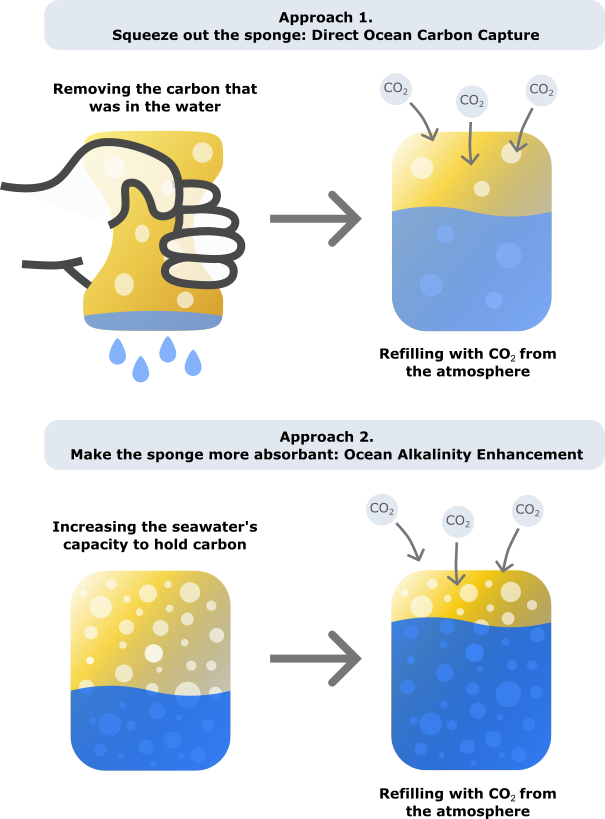
- Taking carbon dioxide out of seawater. This frees up space in the water so it can take in more carbon dioxide from the air.
- Shifting the balance of the different forms of carbon in seawater, allowing the water to hold even more carbon dioxide.
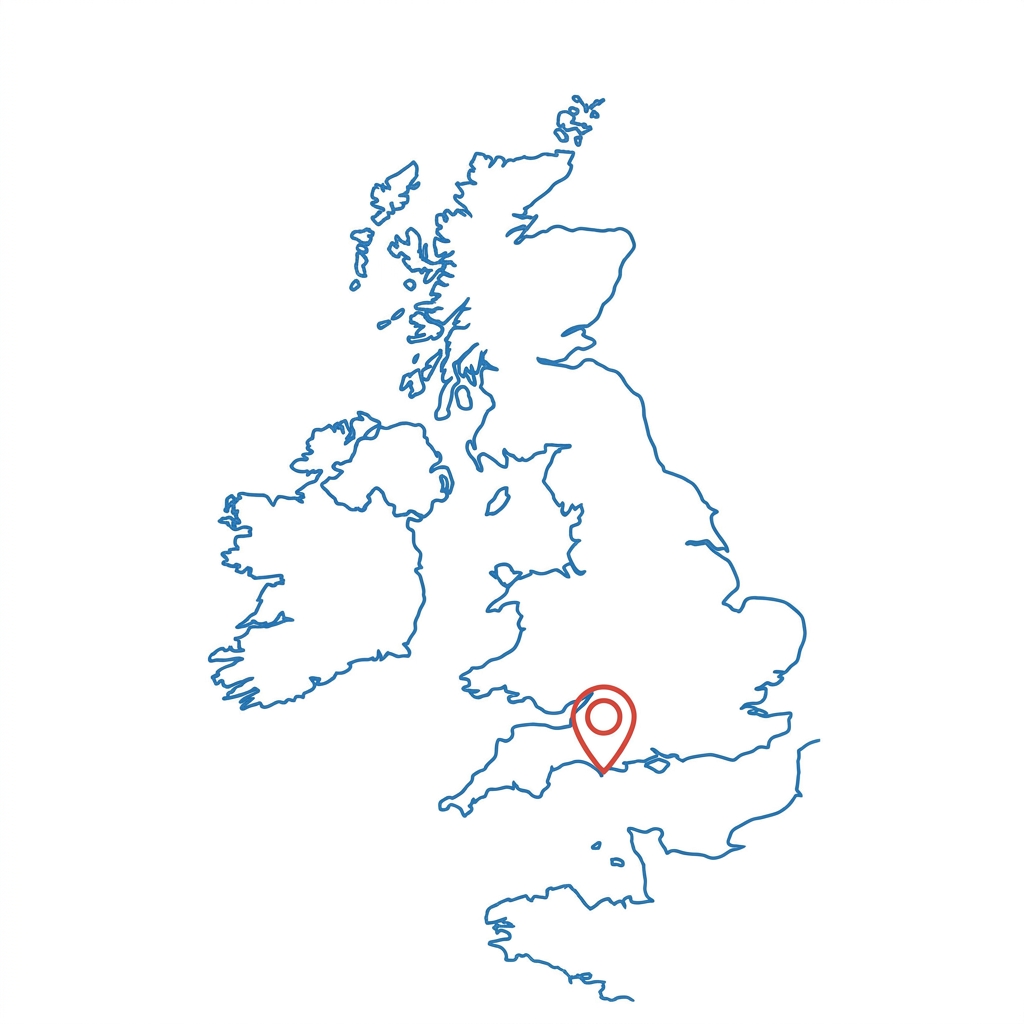
The SeaCURE pilot plant at SEA LIFE in Weymouth is the only not-for-profit facility in the world designed to study these approaches outside of a lab. We have been researching the first approach, and now we want to explore the second.
We only process a small amount of water to do these tests. We have checked that this is safe for sea life. We need more research at the site, still at small scales, to find out if the approaches would still be safe and effective if done around the world at much larger scales - where they could make a real difference to climate change.
This page explains what we have done, why we did it, how it works, and what we plan to do next. This information is here to support everyone in Weymouth to explore what the research could mean for them and to take part in conversations about the future of the research.
Do we need to remove excess Carbon Dioxide from the atmosphere?
Carbon dioxide (CO2) is a greenhouse gas that traps heat in the atmosphere and warms the planet. The top priority is to urgently cut our use of fossil fuels, to avoid adding CO2 to the atmosphere.
Removing excess CO2 from the atmosphere is not a substitute for this, but could allow us to address sectors (such as flying and farming) which we don't yet know how to clean up. It could also help us to remove CO2 that is still in the atmosphere from past industrial activity.
By cutting CO2 emissions as much as possible and then removing CO2 from the atmosphere to balance the remaining emissions, we can reach what is known as Net Zero. The animation below helps explain this.
Why the ocean?
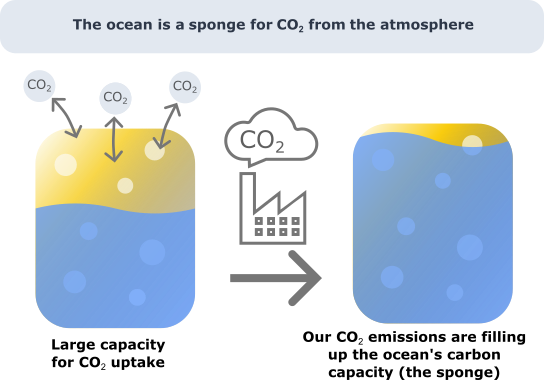
The ocean acts like a sponge, absorbing a large share of human-made CO2. If you compare the same volume of seawater and air, the seawater contains over 100 times more carbon.
Capturing carbon from seawater, or increasing the capacity of the water to hold carbon, could therefore be more practical than capturing carbon from air.
Removing CO2 this way would also minimise competition for space on land, which limits how much carbon we can remove from the atmosphere by approaches like tree planting.
How can seawater help remove CO2 from the atmosphere?
The CO2 that human produce will eventually be absorbed by the ocean, but this natural process of carbon dioxide removal takes tens of thousands of years. We can speed things up in two different ways. If we think of the ocean as a sponge for CO2, we can:
For a more detailed explanation of the process and the chemistry, click here.
Biological carbon dioxide removal approaches like farming seaweed sound promising, but the ocean can only support a certain amount of growth because nutrients are limited. Growing more plants in one place can reduce growth elsewhere and may harm biodiversity. So SeaCURE focuses on engineered methods, which we believe are safer and easier to scale.
What is SeaCURE?
The SeaCURE team built a pilot plant in Weymouth that can test both engineered approaches (Approach 1 and 2). It is the only publicly funded site of its kind outside a lab, and the first pilot of its kind outside the USA. This approach provides an objective view of what works, what doesn't, and the challenges ahead.
So far, we have focused on Approach 1: removing CO2 from seawater. The small amount of CO2 we capture in tests is released back to the air, but at full scale it would be stored deep underground or used in long-lasting products.
SEA LIFE Weymouth provides seawater, space, and strong links to marine science. Together with the large amount of data we already have about the English Channel's biology and chemistry, this makes it an ideal location.
What have we done so far?
Over a two-month trial, we showed that the system could remove CO2 from seawater using Approach 1. We also studied:
To learn more about what the SeaCURE project has done so far click here.
The project has been led and run by the University of Exeter, with the Plymouth Marine Laboratory, Brunel University of London and Eliquo Hydrok.
What about impacts on marine life?
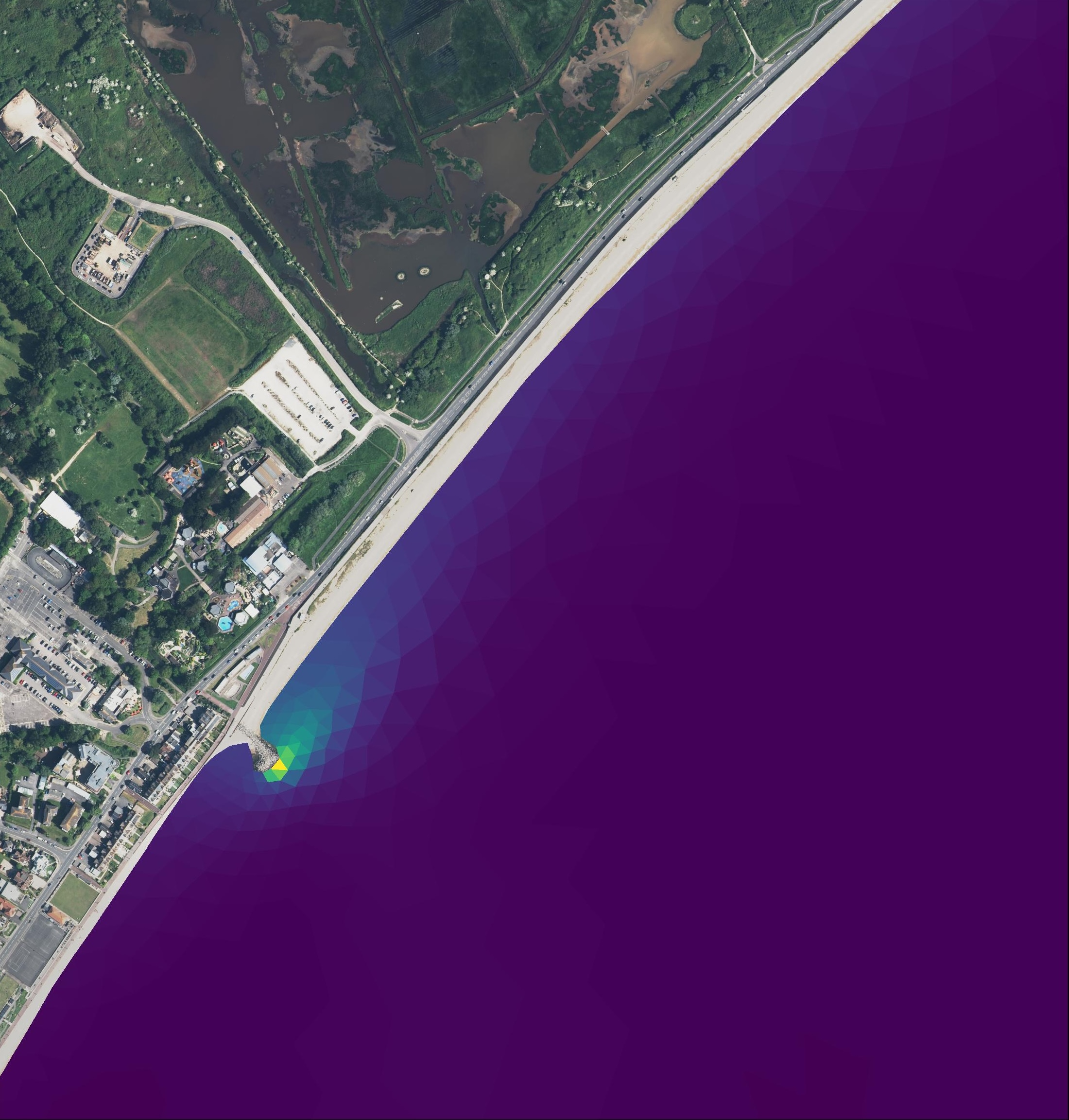
At this small pilot-plant scale, we are confident the process does not harm marine life. The low-carbon seawater we release dilutes very quickly, returning to normal conditions within a few metres. Our seawater intake pipe is buried under the beach, so marine life cannot be sucked in. This is the same seawater intake system that supplies SEA LIFE's aquariums.
We work closely with Defra and the Environment Agency. The pilot plant operates within it's Environment Agency Permit and has automated controls to prevent water being released outside of these pH and flow rate limits.
Commercial scale plants would be larger than the SeaCURE pilot and would release more low-carbon seawater. We need to understand how this might impact marine ecosystems.
We ran laboratory experiments to assess what impacts could occur at commercial scales, focusing on marine plants (phytoplankton) and animals (zooplankton and bivavles). These organisms were chosen because they are found all over the world and grow well in a lab.
The marine life in our experiments showed little or no change when low-carbon seawater was diluted with twice as much normal seawater. Without this dilution, we saw reduced growth and activity. For the latest results from these experiments please click here.
For information on the potential environmental impact of increasing the capacity of seawater to hold carbon (Option 2), which has been studied in greater detail, click here.
Our Research Priorities
We want to continue our work in Weymouth. Our priorities are to:
Some effects can't be captured in a lab, so experiments in larger on-shore tanks, and potentially at-sea floating tanks, can be used to see how different marine organisms respond over time to the released seawater.
Demonstrate in the real ocean that removing CO2 from seawater leads to CO2 being removed from the air, otherwise this is not going to help the climate. This could be investigated by tracking the water and simultaneously measuring and simulating how it changes.
Continue work on the 1st approach while widening research to look at 'making the sponge more absorbent' (Approach 2). We would run the pilot plant in a different way to study long-term effects on the ocean, challenges, and CO2 removal rates.
Click here for more details about the kind of activity that could happen in Weymouth over the coming years.
Whats happening now?
We are currently applying for funding to progress the activities described above, and will update this section as and when funding bids are successful.
Ongoing & upcoming funded projects
- The Carbon to Sea Initiative have funded workshops to allow us to understand the interest and thoughts of the local community.
- The OAeSIS project has been funded by the EU to evaluate the sustainability, effectiveness, and impacts of Ocean Alkalinity Enhancement (Approach 2). The project will improve our computer model of Weymouth Bay with additional measurements of the Bay's seawater chemistry and currents through fieldwork in 2027/28.
We are currently applying for funding to progress the activities described above, and will update this section as and when funding bids are successful.
Who is funding this?
The first project was funded by the UK Government's Greenhouse Gas Removal Innovation Programme (2021–2025).
Since May 2025, support has come from the University of Exeter and the Carbon to Sea Initiative, a non-profit funding ocean carbon removal research globally. Carbon to Sea have funded workshops to understand the interest and thoughts of the local community.
Local community views will help guide future funding applications aiming to make Weymouth a global research hub.
Conclusion
We've shown from a two-month trial that we can remove carbon from seawater, but there is a lot more to be done. The ocean is complex and changes with tides, seasons and year-to-year. Building a full understanding will take time and effort.
Meanwhile, we're keeping an open mind. It's too early to know which methods will work best, and we may need a mix to tackle CO₂ effectively.
The facility in Weymouth is globally unique. Continued research here helps us gather real world evidence responsibly. This evidence will help the public and policymakers decide whether ocean-based carbon removal can—and should—play a part in tackling climate change, and how we might best do this.
